Pushwoosh
Pushwoosh is a B2B marketing automation platform used by product and marketing teams to create multi-channel communication flows (push, email, in-app, WhatsApp).
The product includes complex workflows, segmentation logic, automation rules, and data-heavy dashboards making first-time user experience critical for activation and retention.
Pushwoosh is a B2B marketing automation platform used by product and marketing teams to create multi-channel communication flows (push, email, in-app, WhatsApp).
The product includes complex workflows, segmentation logic, automation rules, and data-heavy dashboards making first-time user experience critical for activation and retention.
Core Product Screens
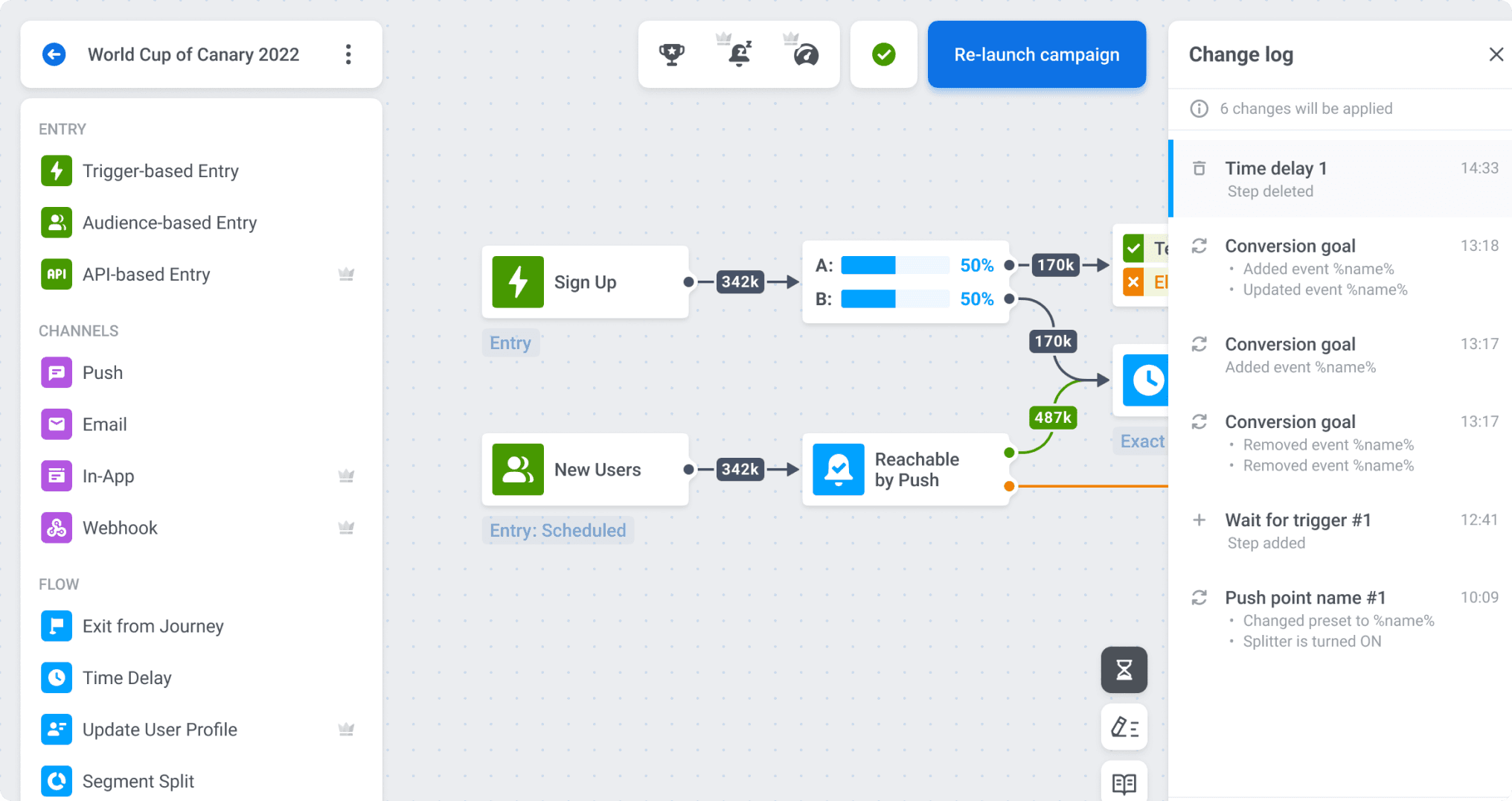
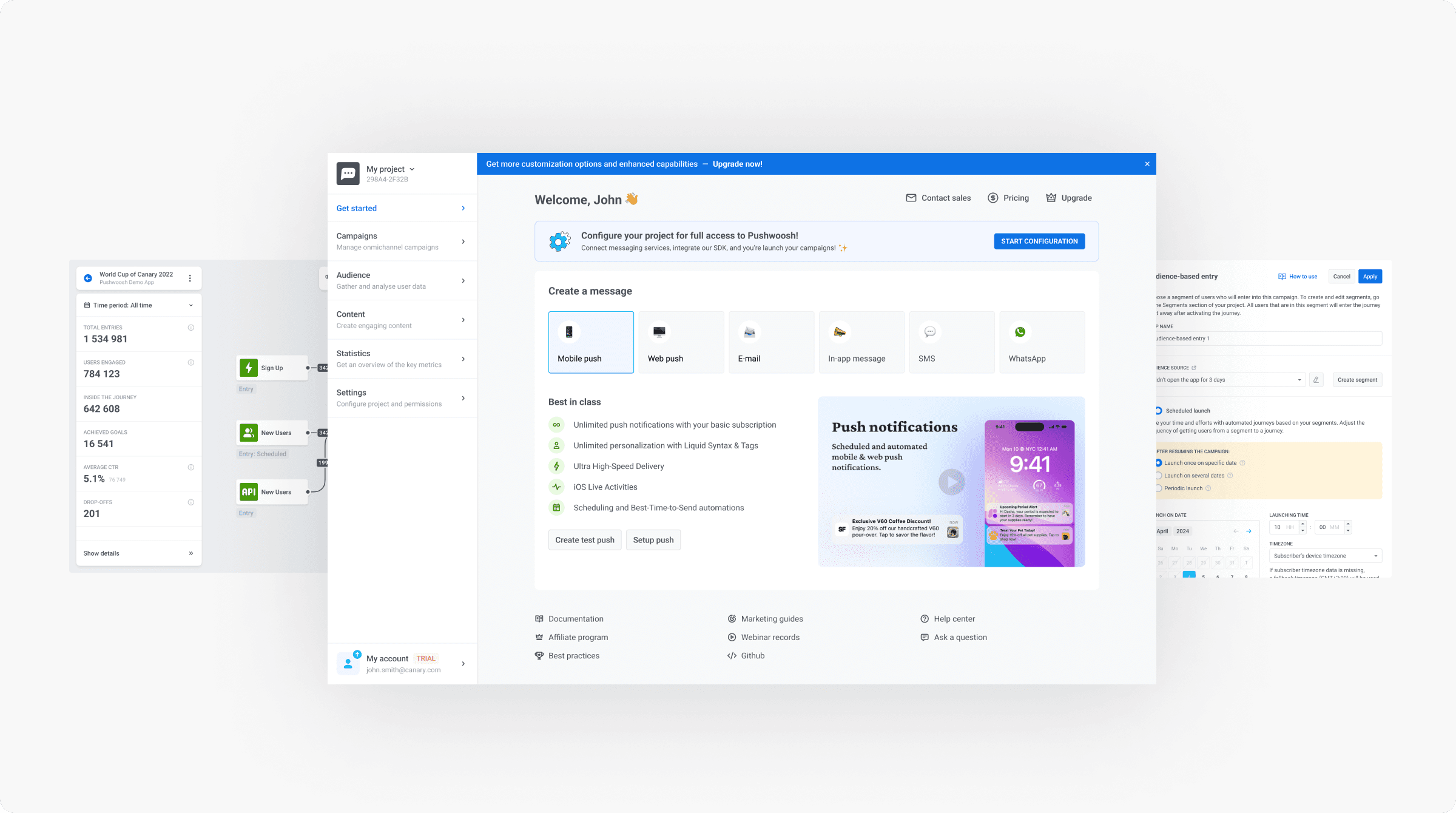
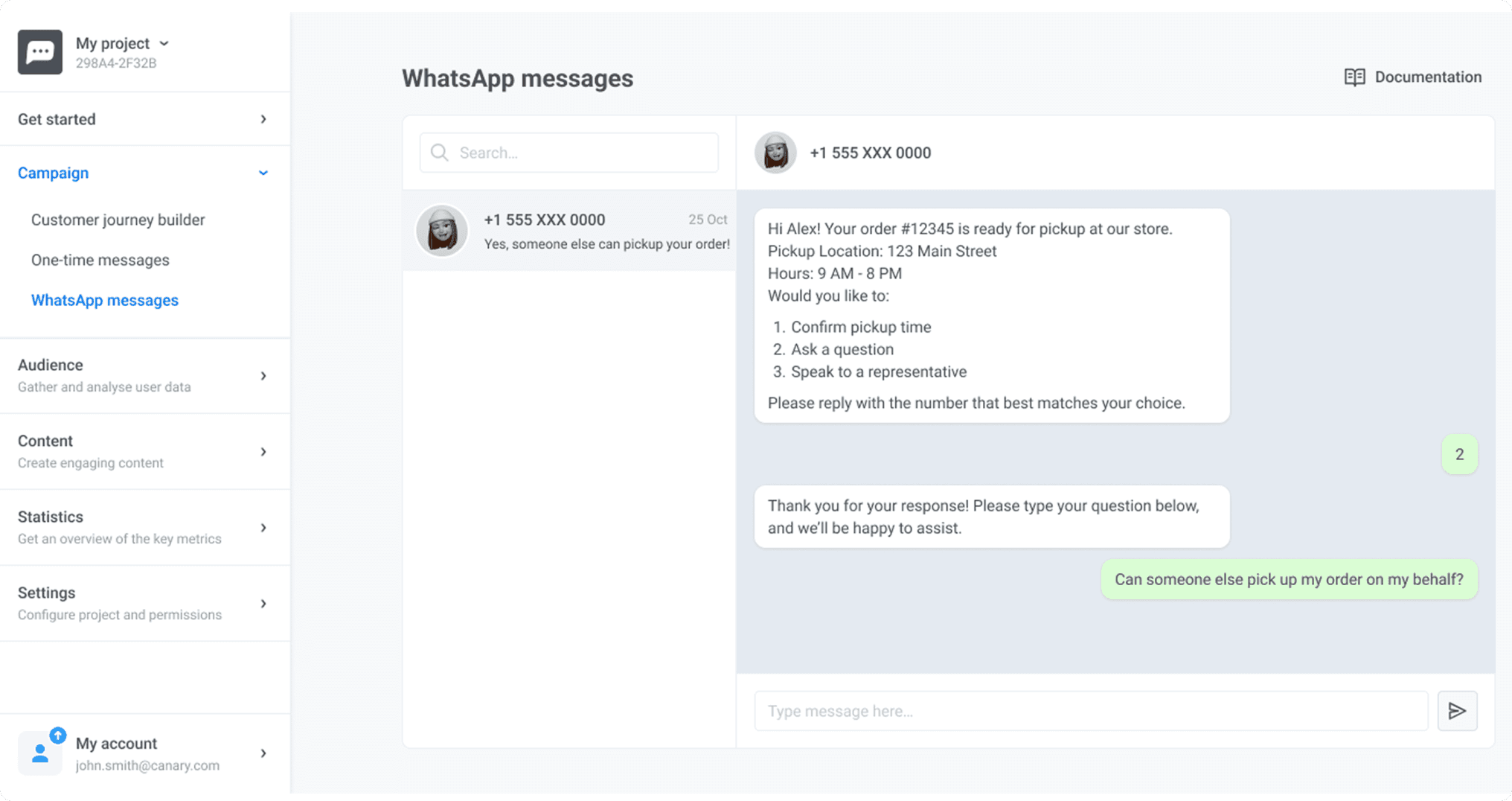
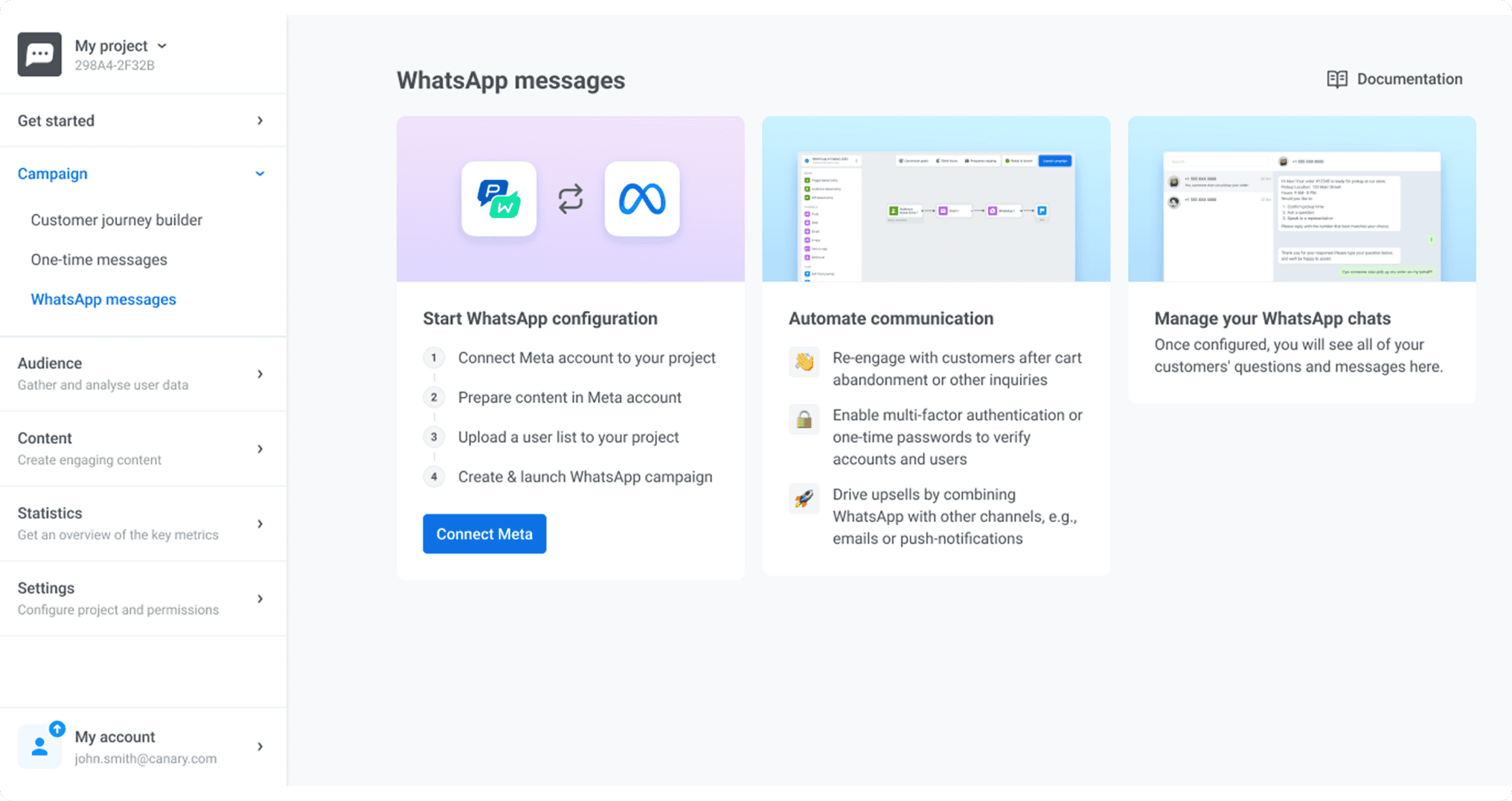
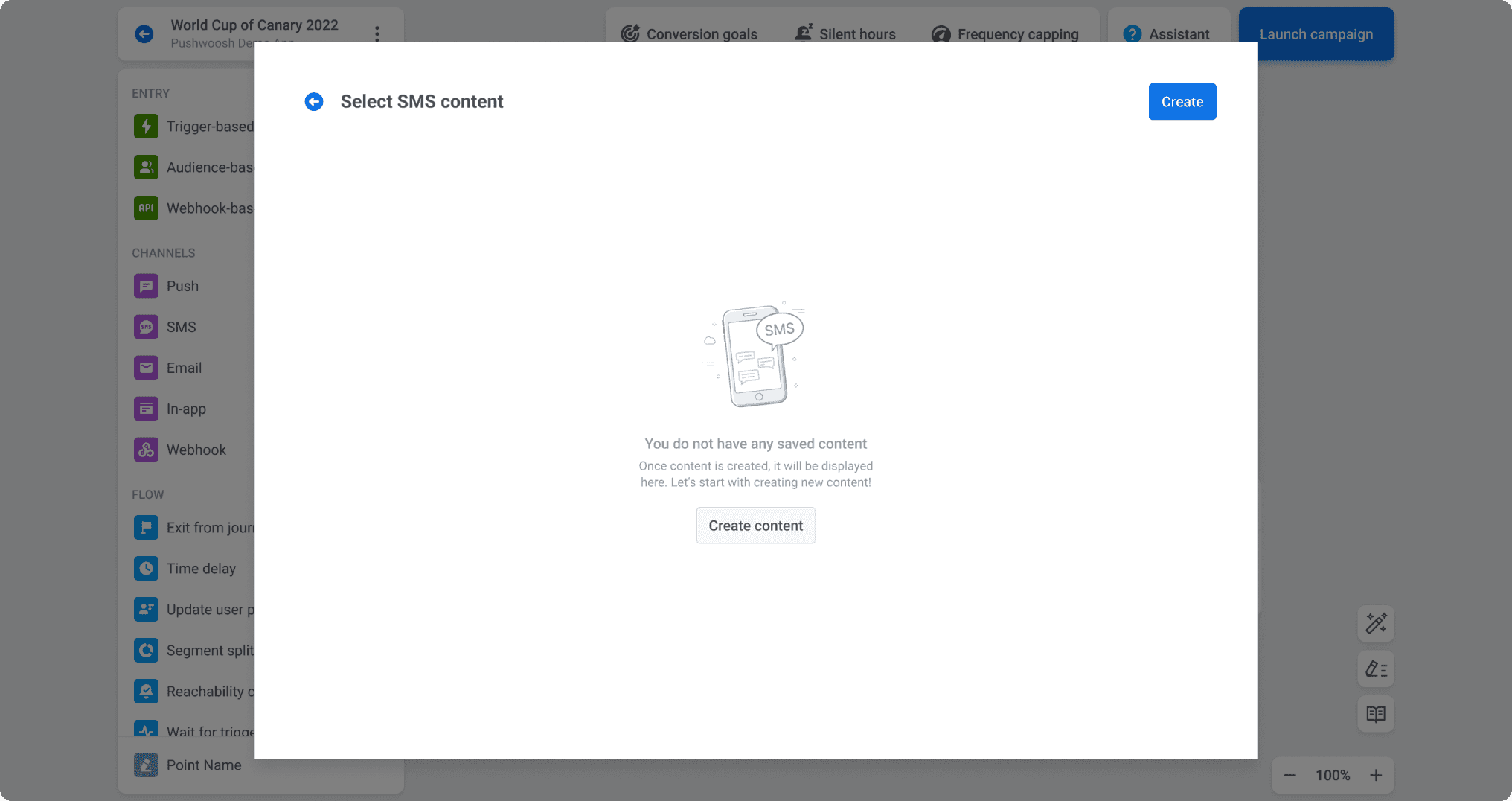
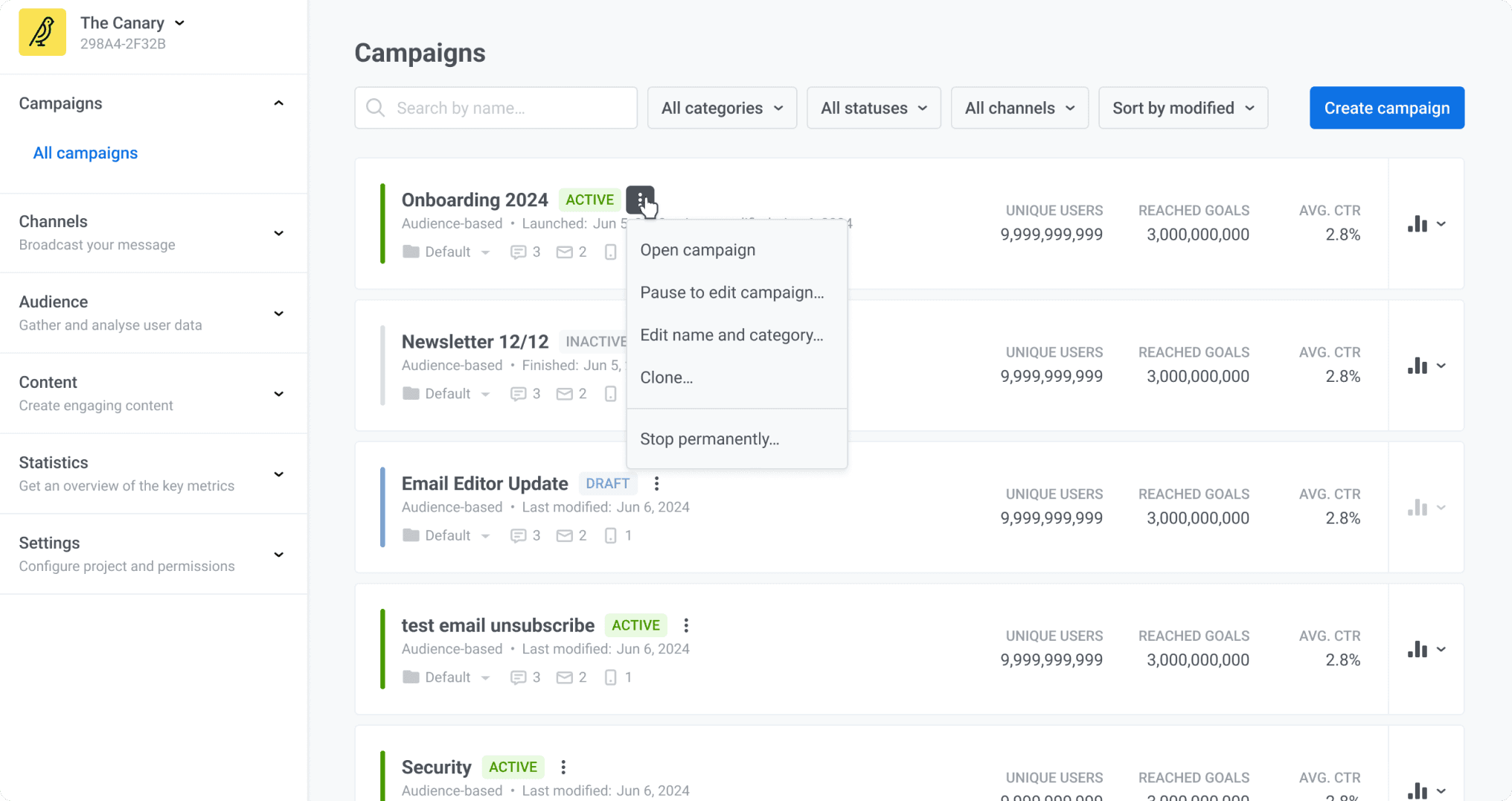
Selected screens of the core product interface, including workflow builder, segmentation logic, and analytics dashboards.
Selected screens of the core product interface, including workflow builder, segmentation logic, and analytics dashboards.
Domain
Marketing Automation
Type
B2B, SaaS
Role
Senior Product Designer
Scope
Web platform (admin panel, onboarding, automation flows)
Team
PM, engineers, CS, Marketing managers
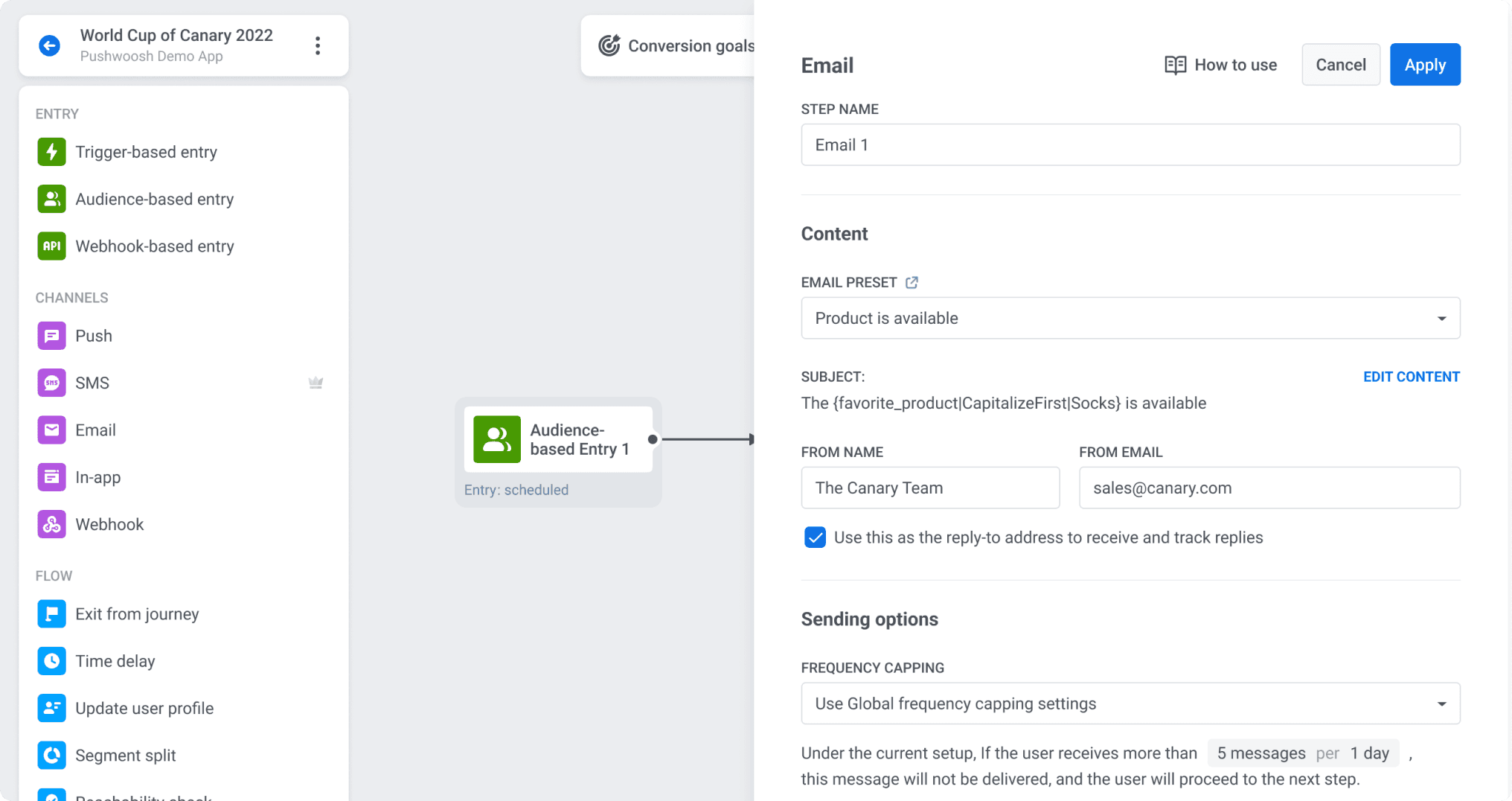
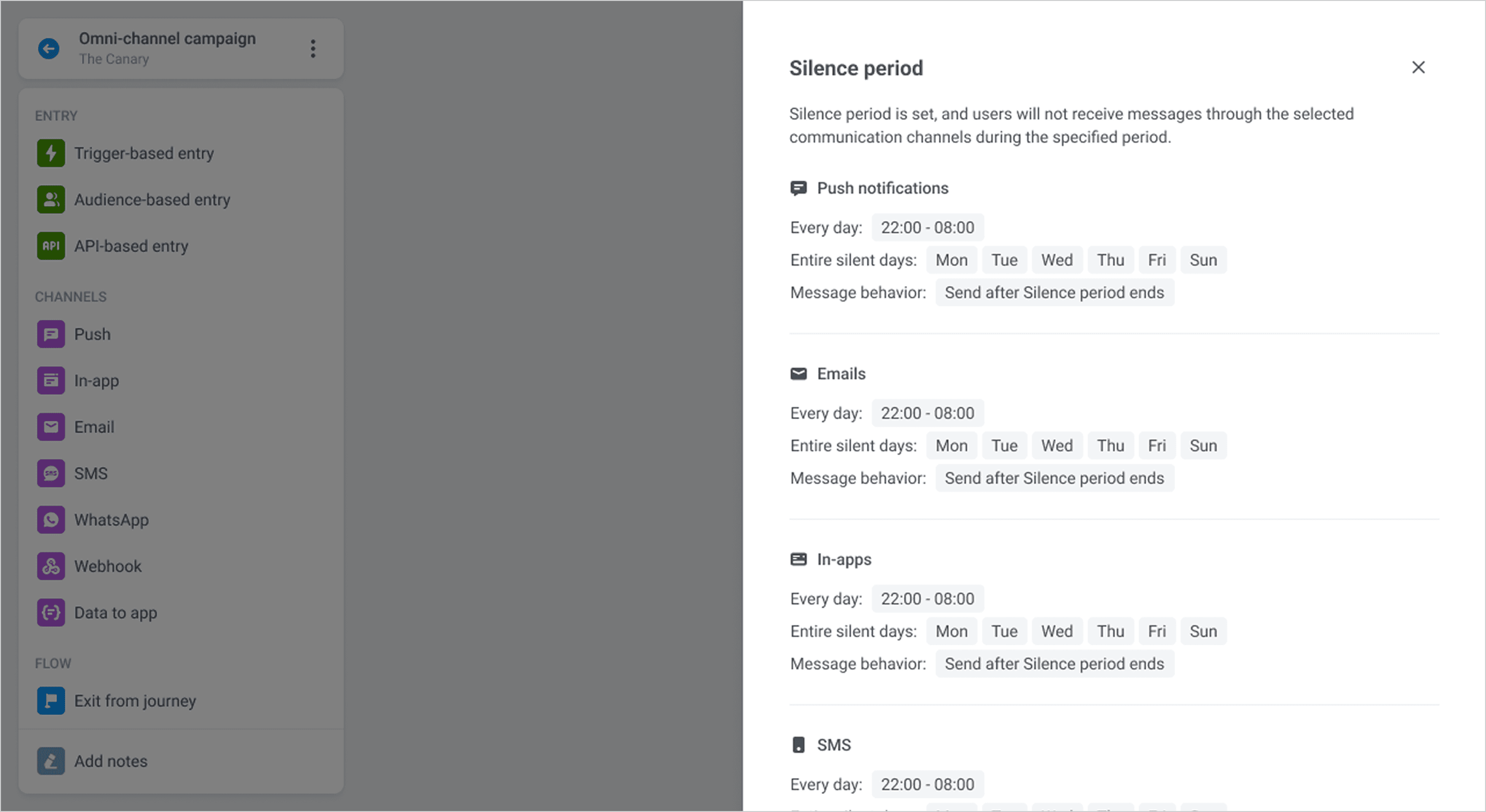
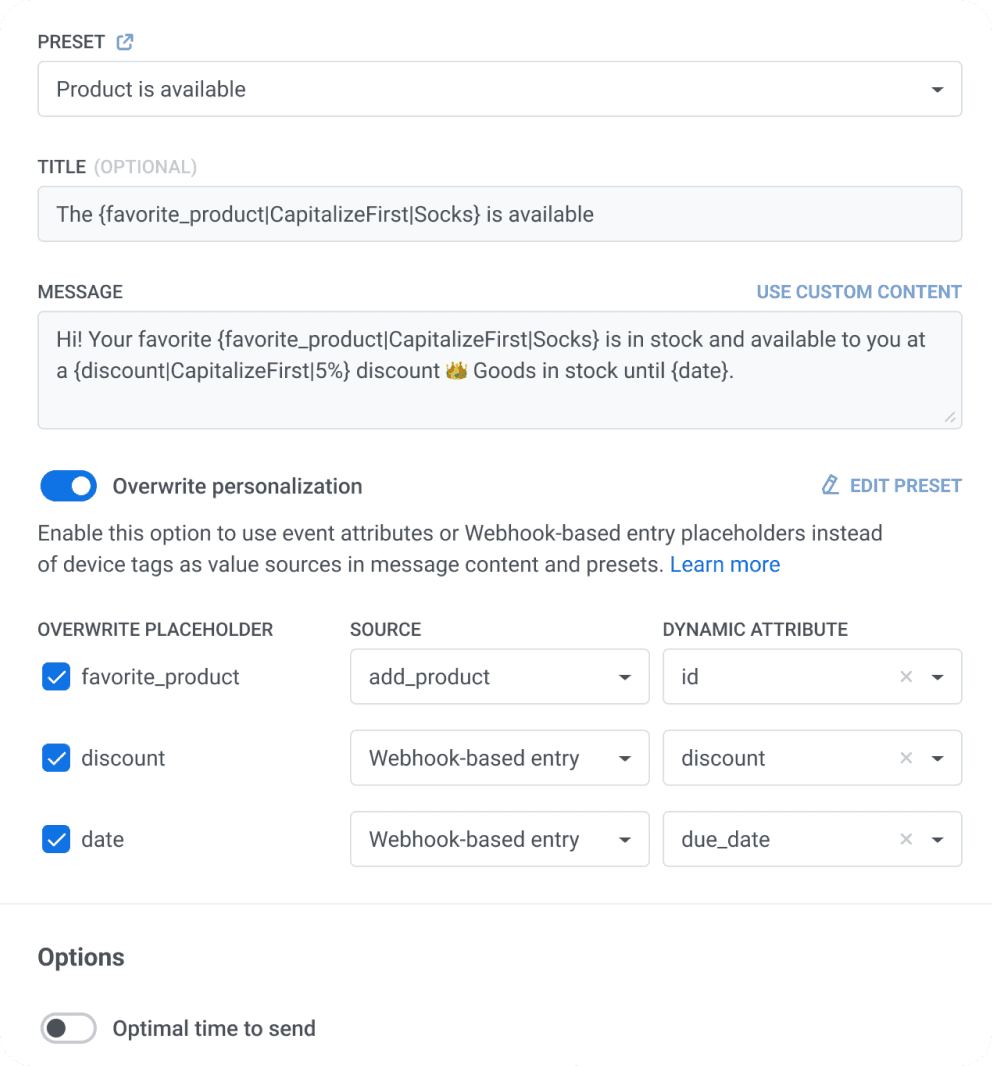
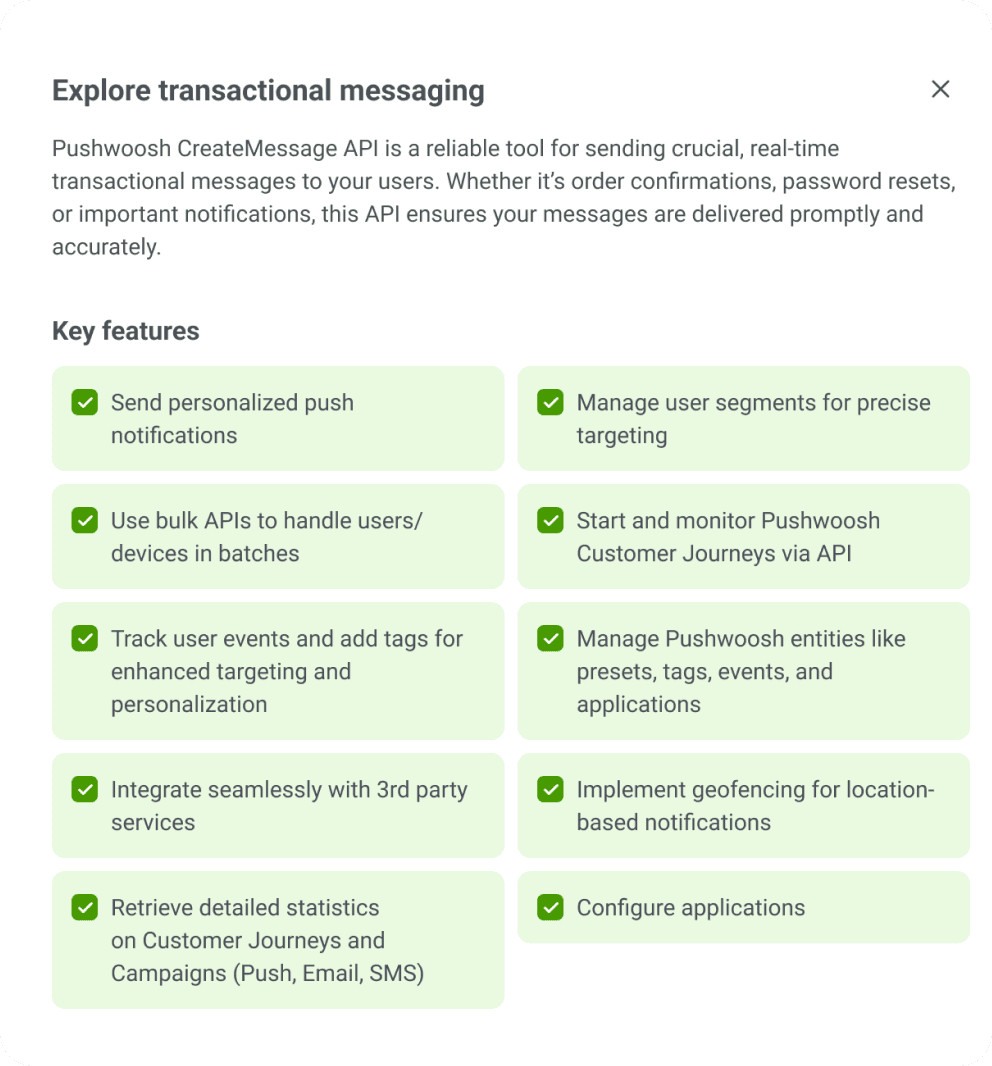
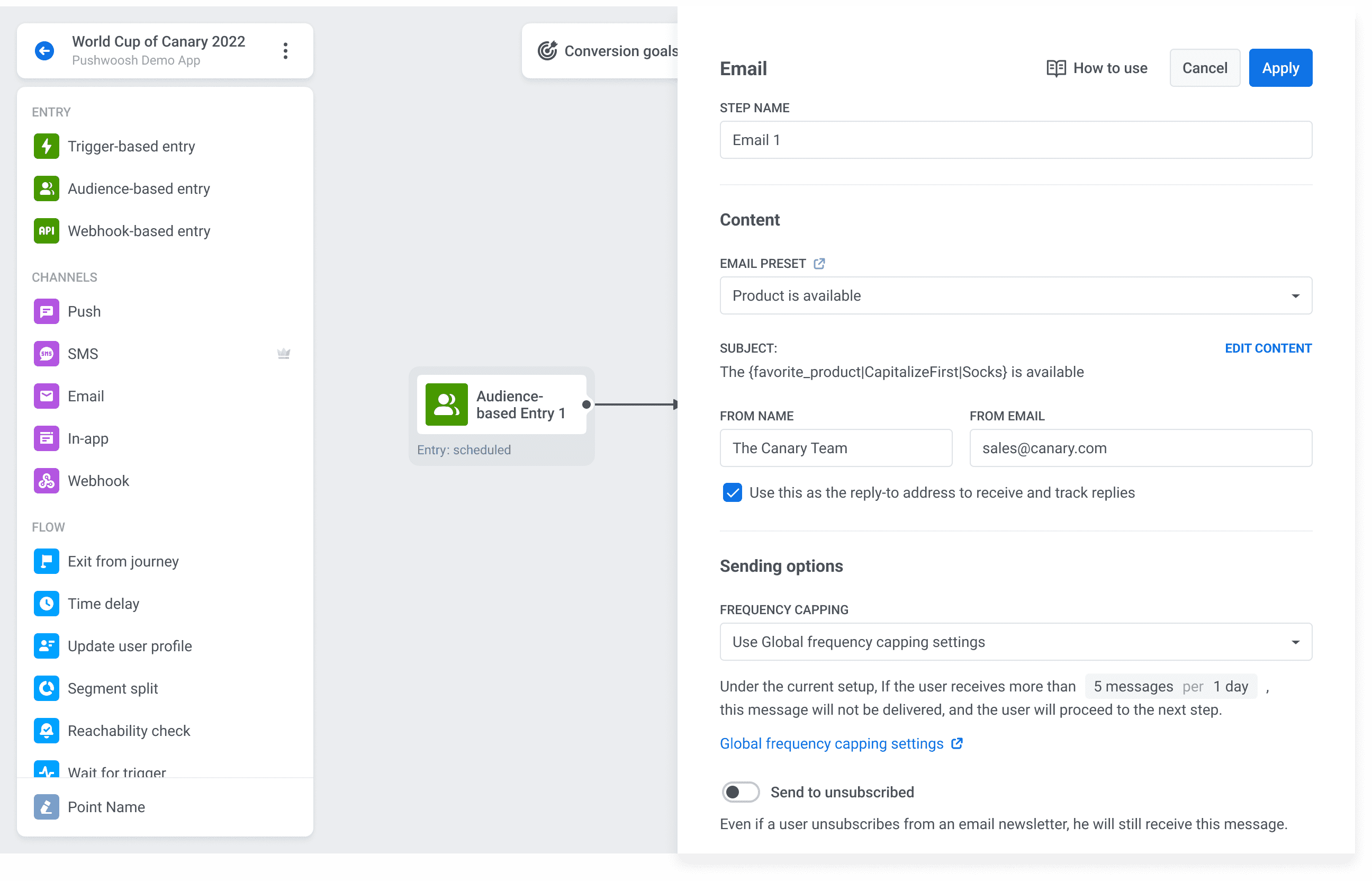
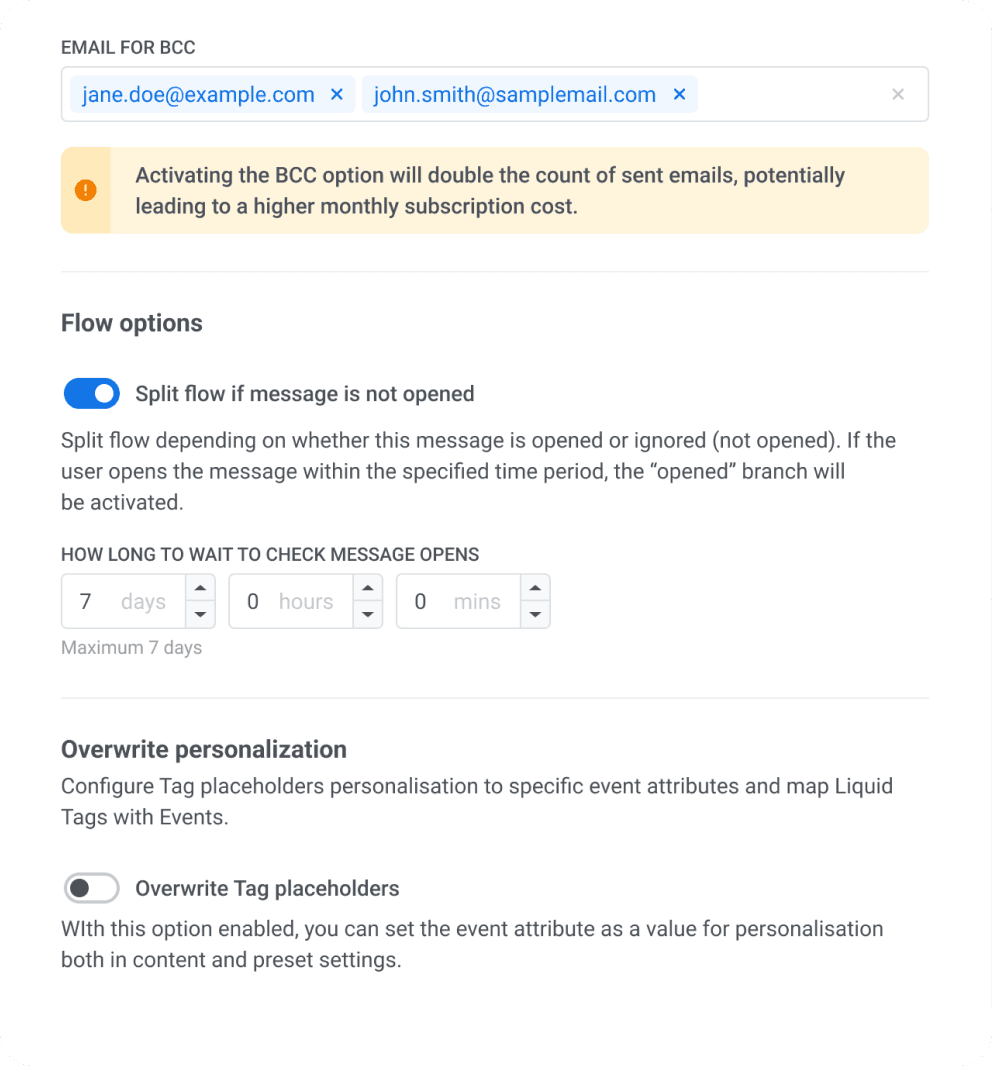
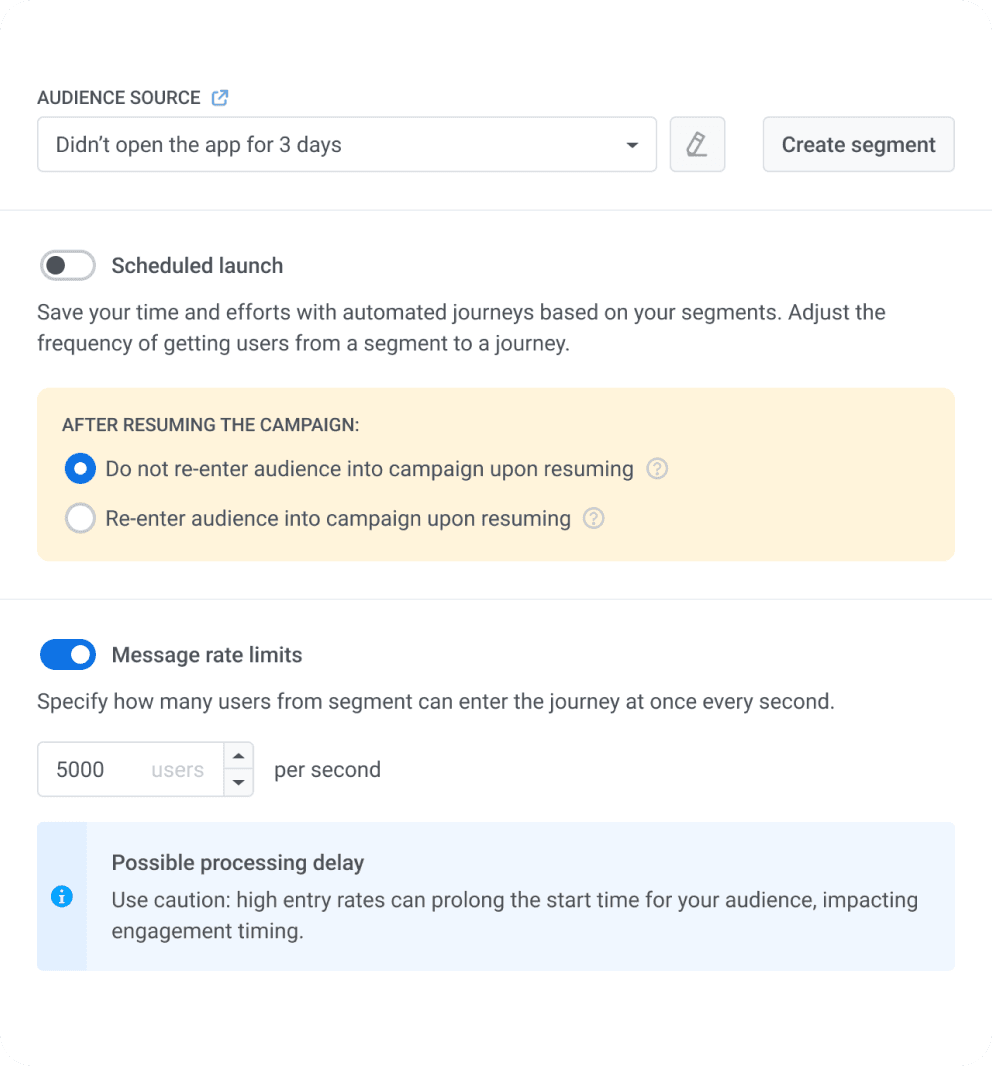
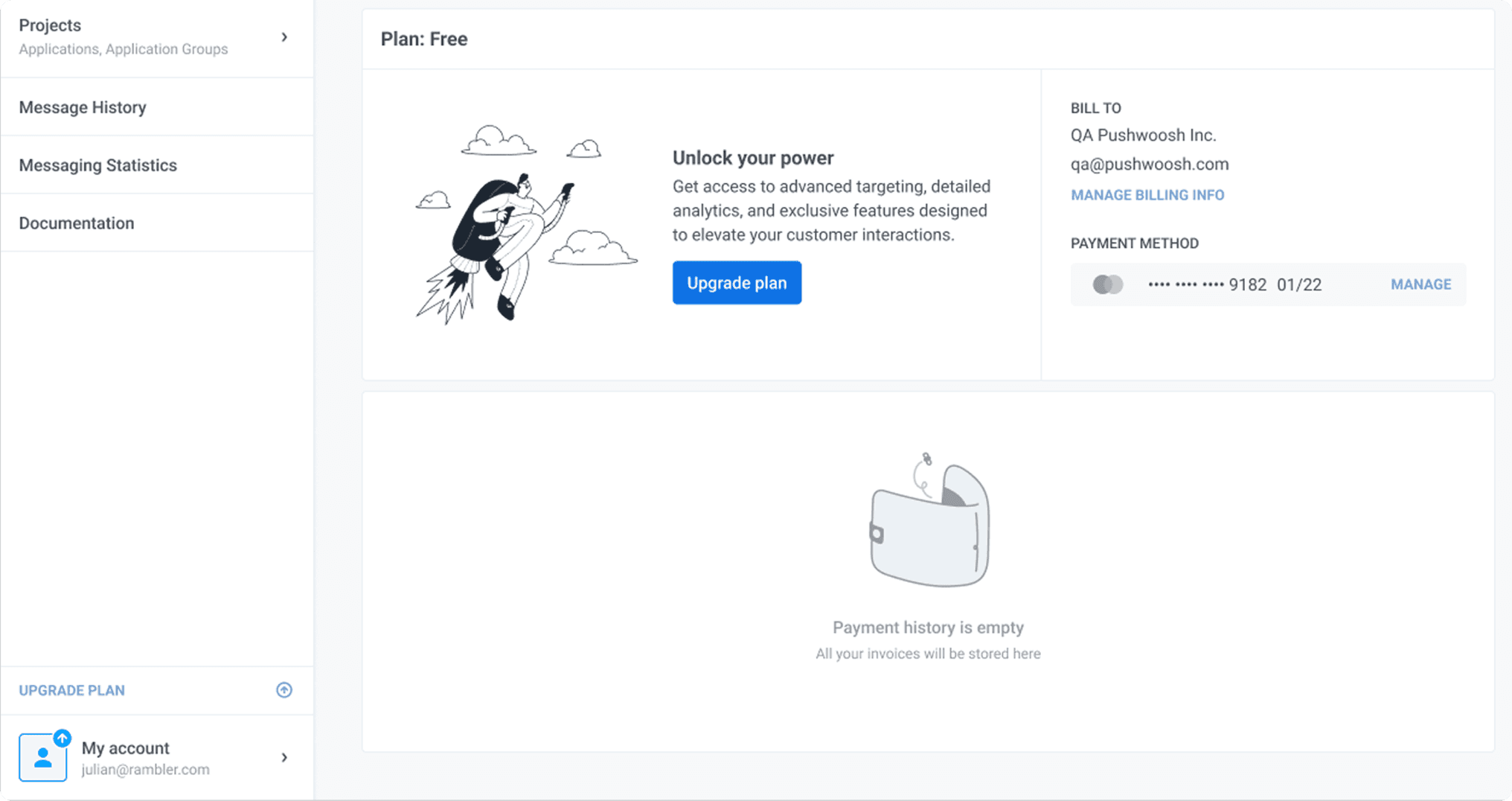
Case Study
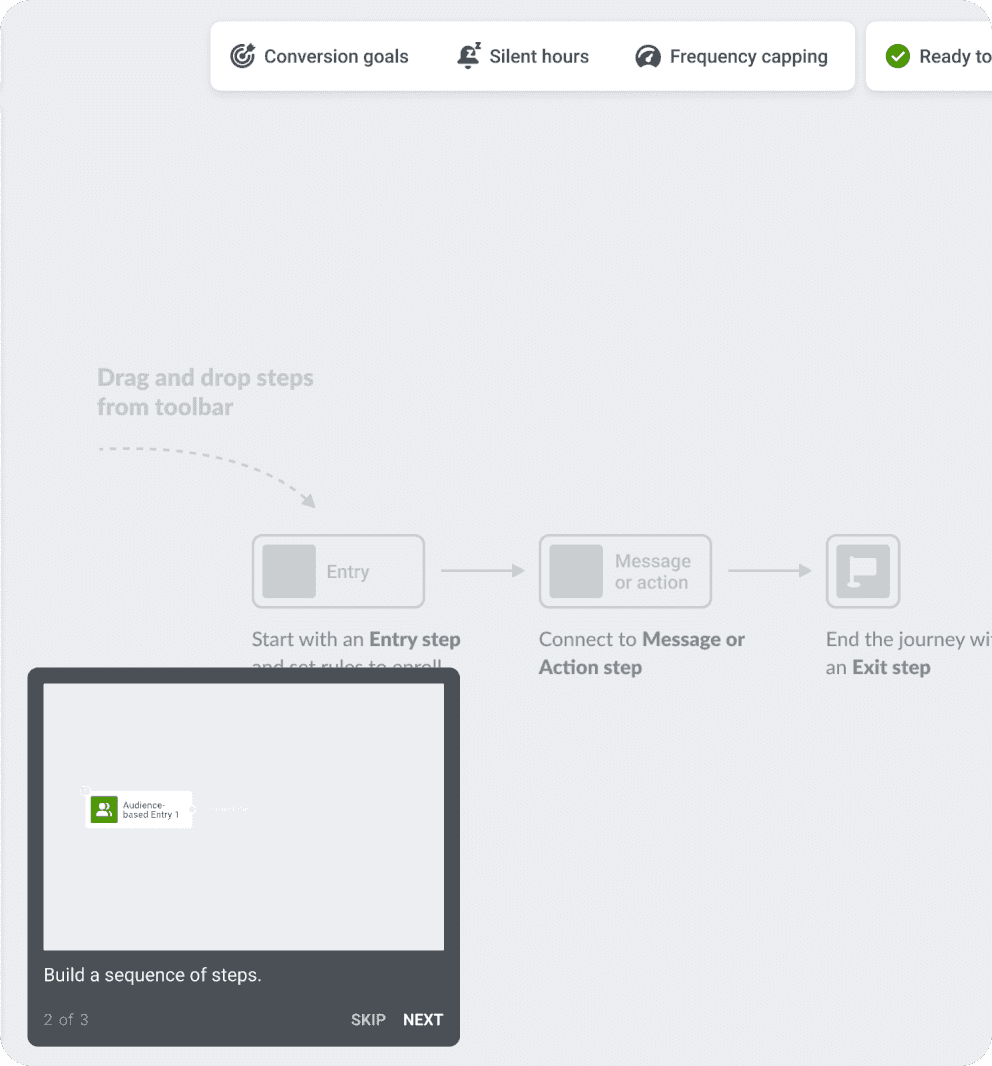
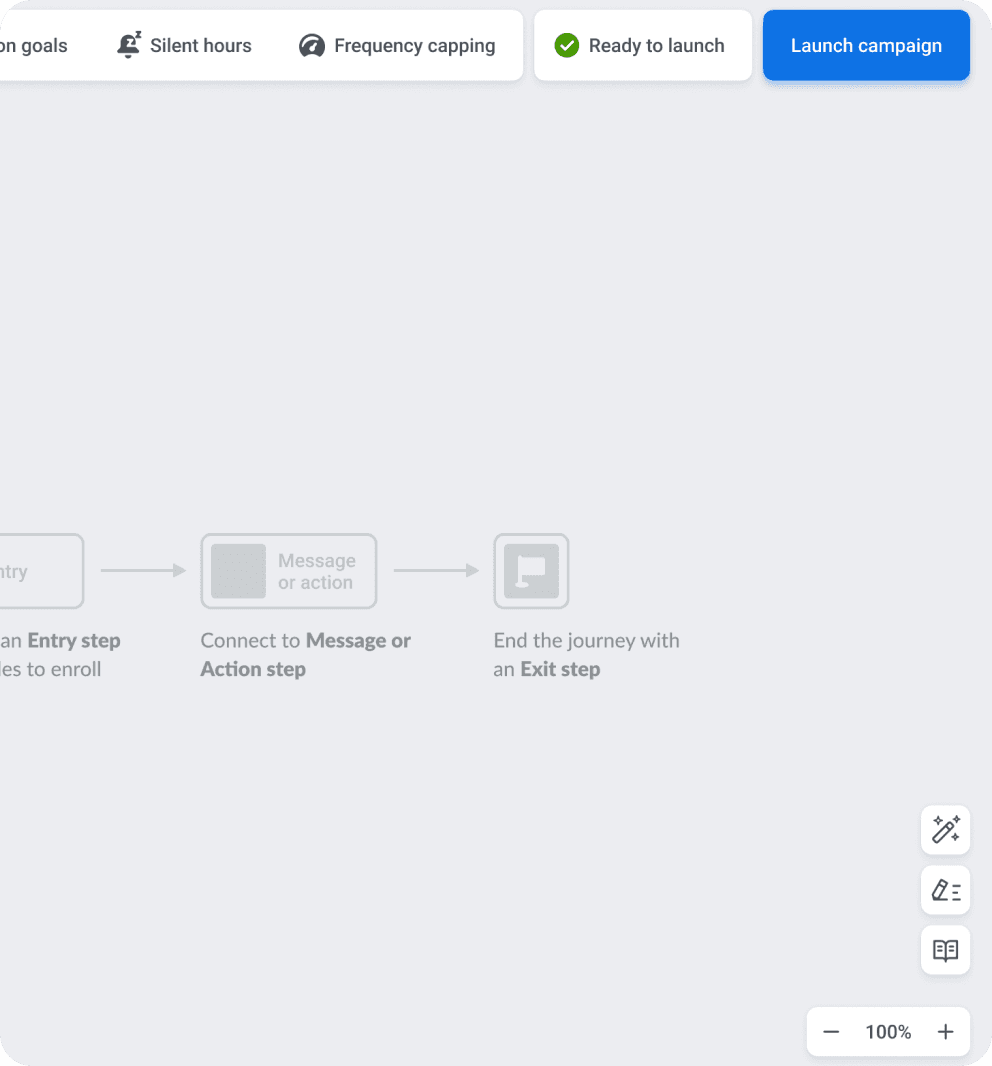
This case study focuses on improving the onboarding experience for a complex B2B product, where first-time user understanding was critical for activation and retention.
This case study focuses on improving the onboarding experience for a complex B2B product, where first-time user understanding was critical for activation and retention.
Problem
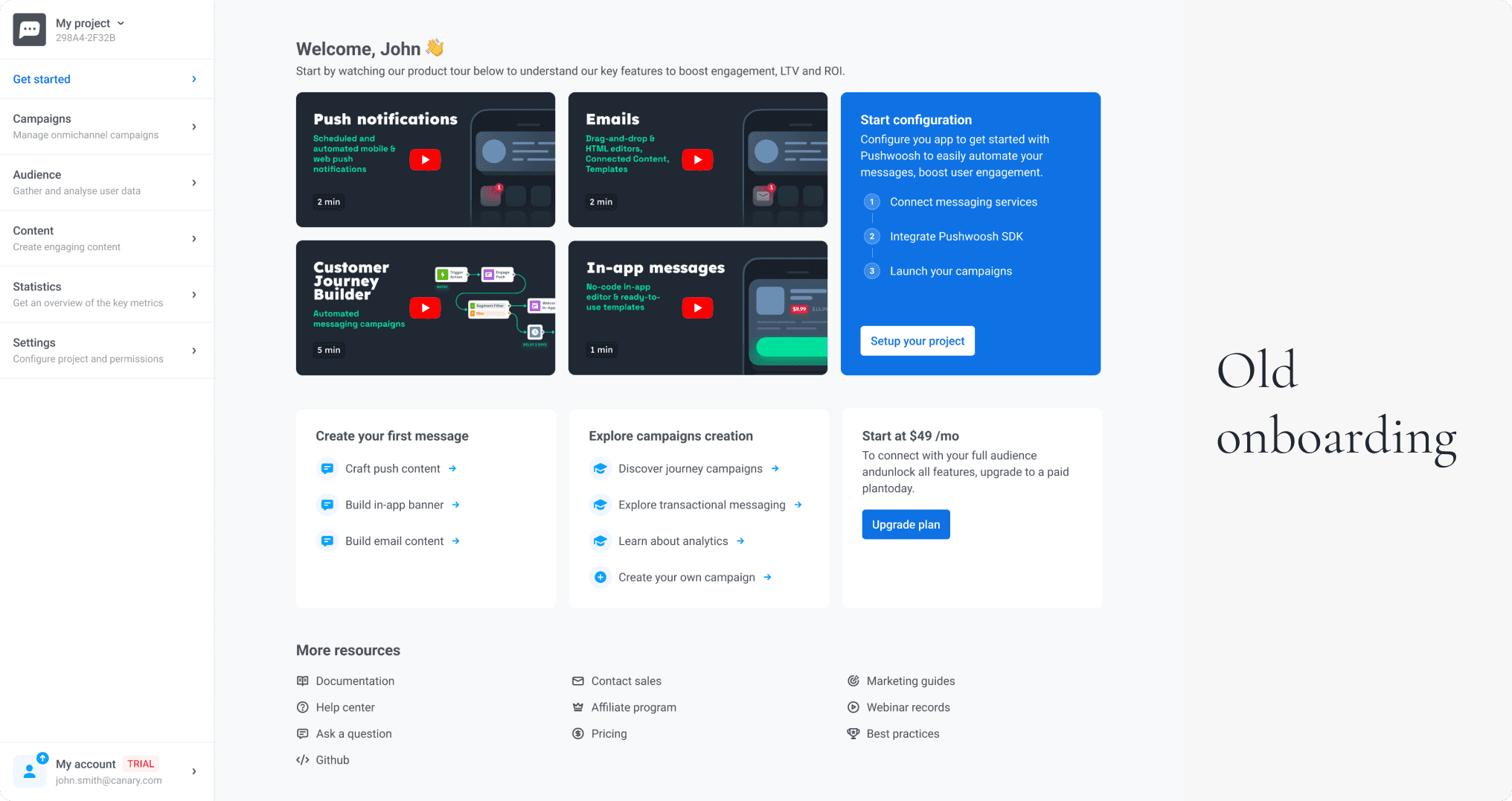
Despite a powerful feature set, new users struggled to reach value quickly.
Despite a powerful feature set, new users struggled to reach value quickly.
Key issues identified:
Overloaded onboarding with unclear next steps
High cognitive load in automation and campaign setup
Fragmented information architecture across core flows
Users relying on support instead of self-serve setup
This resulted in:
Low early activation
High first-step drop-offs
Increased support load during onboarding
Key issues identified:
Overloaded onboarding with unclear next steps
High cognitive load in automation and campaign setup
Fragmented information architecture across core flows
Users relying on support instead of self-serve setup
This resulted in:
Low early activation
High first-step drop-offs
Increased support load during onboarding
Goals
Product & UX goals:
Increase user activation and onboarding completion
Reduce time-to-first-value for new users
Improve clarity of core workflows without reducing flexibility
Lower onboarding-related support requests
Design success metrics:
Activation rate
Onboarding completion
Time-to-value
Support tickets related to onboarding
Product & UX goals:
Increase user activation and onboarding completion
Reduce time-to-first-value for new users
Improve clarity of core workflows without reducing flexibility
Lower onboarding-related support requests
Design success metrics:
Activation rate
Onboarding completion
Time-to-value
Support tickets related to onboarding
Solution (High-level)
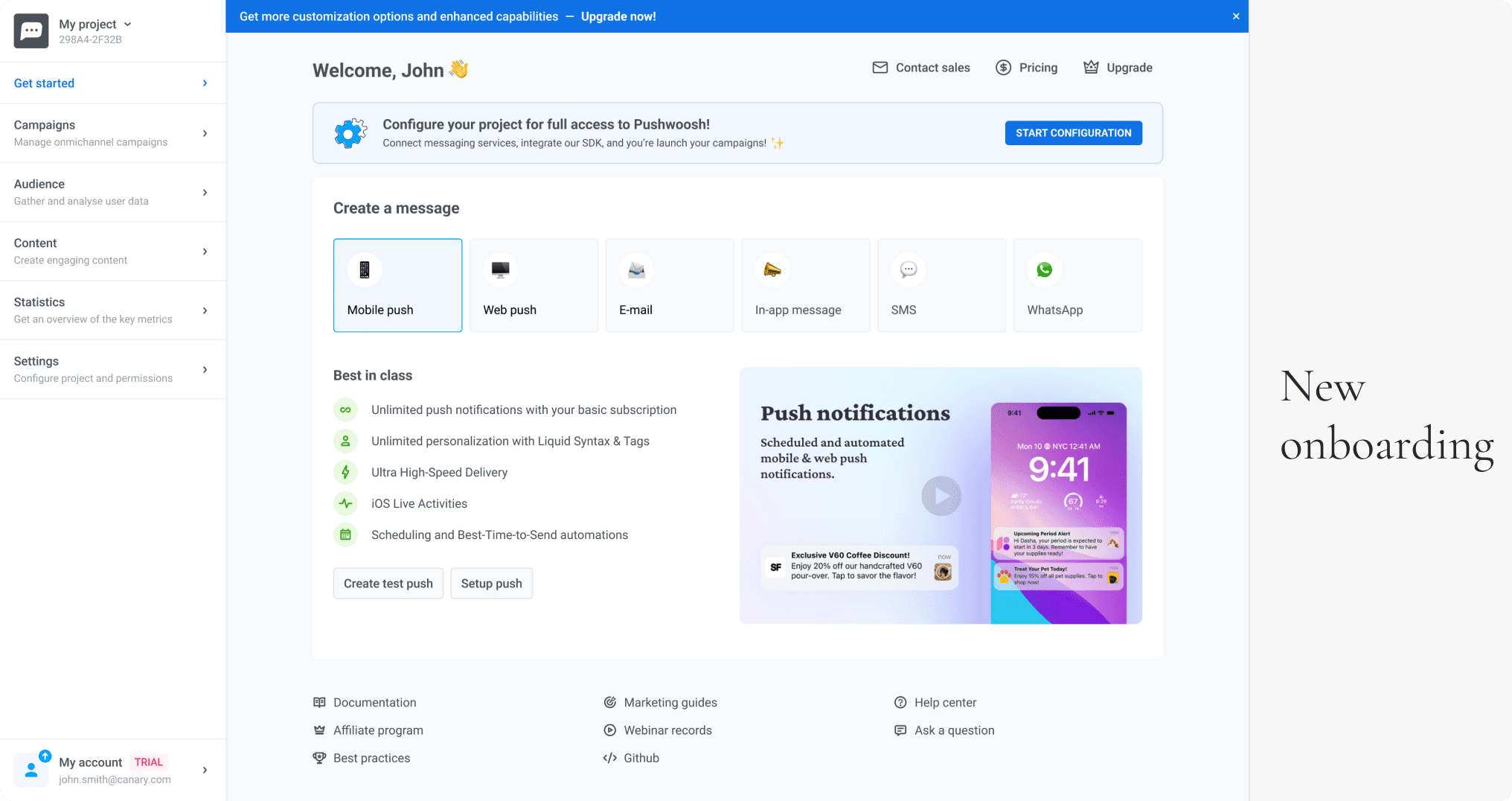
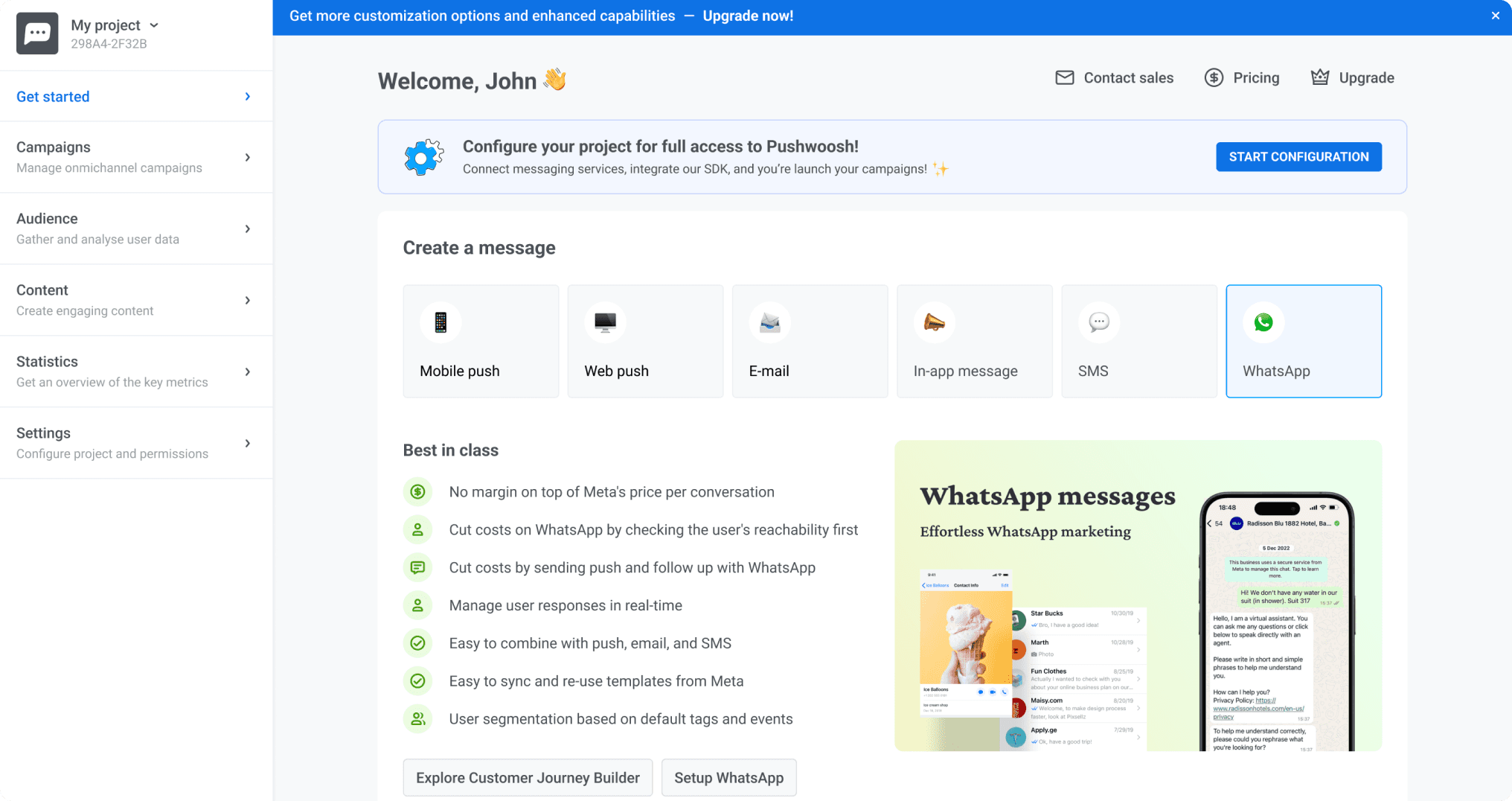
I redesigned key onboarding and activation flows with a focus on progressive disclosure, clear system feedback, and guided decision-making.
Key design directions:
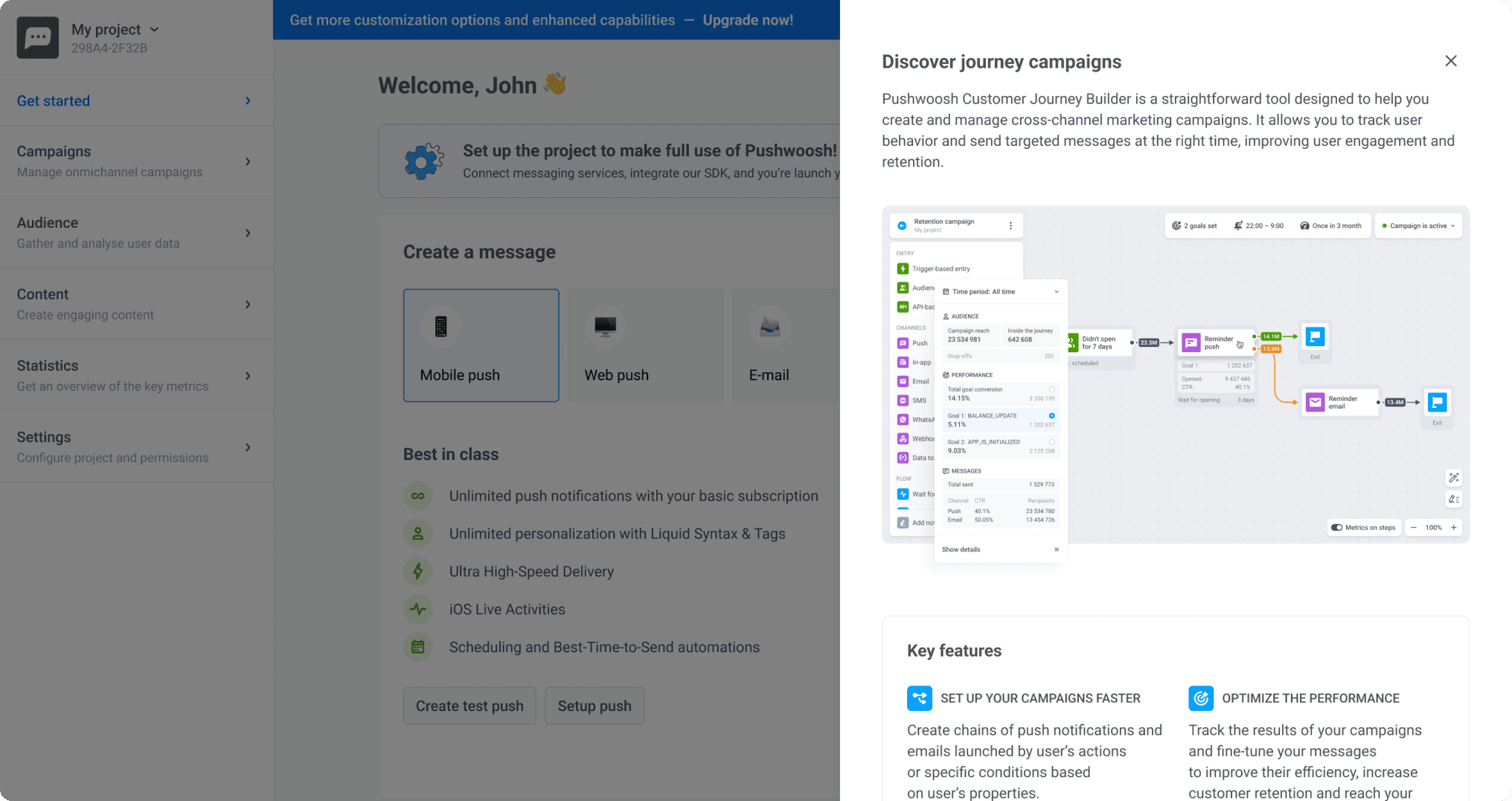
Simplified entry points into automation and messaging
Clear step-by-step onboarding with visible progress
Reduced visual and cognitive noise in early flows
Consistent patterns across similar workflows
I redesigned key onboarding and activation flows with a focus on progressive disclosure, clear system feedback, and guided decision-making.
Key design directions:
Simplified entry points into automation and messaging
Clear step-by-step onboarding with visible progress
Reduced visual and cognitive noise in early flows
Consistent patterns across similar workflows
Key Design Contributions
Onboarding Flow Redesign
Reworked first-time user flow to focus on one primary action
Introduced clearer hierarchy and guidance
Reduced optional decisions at early stages
Onboarding Flow Redesign
Reworked first-time user flow to focus on one primary action
Introduced clearer hierarchy and guidance
Reduced optional decisions at early stages
Case Study
This case study focuses on improving the onboarding experience for a complex B2B product, where first-time user understanding was critical for activation and retention.
Problem
Despite a powerful feature set, new users struggled to reach value quickly.
Key issues identified:
Overloaded onboarding with unclear next steps
High cognitive load in automation and campaign setup
Fragmented information architecture across core flows
Users relying on support instead of self-serve setup
This resulted in:
Low early activation
High first-step drop-offs
Increased support load during onboarding
Key Design Contributions
Goals
Product & UX goals:
Increase user activation and onboarding completion
Reduce time-to-first-value for new users
Improve clarity of core workflows without reducing flexibility
Lower onboarding-related support requests
Design success metrics:
Activation rate
Onboarding completion
Time-to-value
Support tickets related to onboarding
Solution (High-level)
I redesigned key onboarding and activation flows with a focus on progressive disclosure, clear system feedback, and guided decision-making.
Key design directions:
Simplified entry points into automation and messaging
Clear step-by-step onboarding with visible progress
Reduced visual and cognitive noise in early flows
Consistent patterns across similar workflows
Solution (High-level)
I redesigned key onboarding and activation flows with a focus on progressive disclosure, clear system feedback, and guided decision-making.
Key design directions:
Simplified entry points into automation and messaging
Clear step-by-step onboarding with visible progress
Reduced visual and cognitive noise in early flows
Consistent patterns across similar workflows
Metrics-Driven Iteration
Worked closely with PM and analysts to define UX success metrics
Validated design changes using product analytics and user feedback
Iterated based on real usage data, not assumptions
Worked closely with PM and analysts to define UX success metrics
Validated design changes using product analytics and user feedback
Iterated based on real usage data, not assumptions
Process
Discovery & Analysis
Reviewed onboarding analytics and funnel drop-offs
Analyzed support tickets and user feedback
Identified friction points in early user journeys
Design & Validation
Low-fidelity wireframes for flow restructuring
High-fidelity prototypes for usability testing
Iterative refinement with PM and engineering
Delivery
Worked end-to-end: discovery → design → validation → handoff
Maintained design consistency through the design system
Supported implementation and post-launch analysis
Discovery & Analysis
Reviewed onboarding analytics and funnel drop-offs
Analyzed support tickets and user feedback
Identified friction points in early user journeys
Design & Validation
Low-fidelity wireframes for flow restructuring
High-fidelity prototypes for usability testing
Iterative refinement with PM and engineering
Delivery
Worked end-to-end: discovery → design → validation → handoff
Maintained design consistency through the design system
Supported implementation and post-launch analysis
Results
Worked closely with PM and analysts to define UX success metrics
Validated design changes using product analytics and user feedback
Iterated based on real usage data, not assumptions
Worked closely with PM and analysts to define UX success metrics
Validated design changes using product analytics and user feedback
Iterated based on real usage data, not assumptions
+28%
Activation rate
+21%
Onboarding completion
-45%
Time-to-Value
-22%
First-step drop-offs
Reduced onboarding-related support tickets
Clearer, more predictable user flows for complex automation tasks
+28%
Activation rate
Activation rate
+21%
Onboarding Completion
Onboarding completion
-45%
Time-to-Value
+24%
First-step
rop-offs
-45%
Time-to-Value
-22%
First-step drop-offs
Reduced onboarding-related support tickets
Clearer, more predictable user flows for complex automation tasks
Reduced onboarding-related support tickets
Clearer, more predictable user flows for complex automation tasks
Learnings
In complex B2B tools, less choice early = more activation
Clear system feedback is as important as visual simplicity
Activation is a UX responsibility, not just a product metric
Metrics-driven design decisions build trust with stakeholders
In complex B2B tools, less choice early = more activation
Clear system feedback is as important as visual simplicity
Activation is a UX responsibility, not just a product metric
Metrics-driven design decisions build trust with stakeholders
My role
Owned UX and UI decisions across onboarding and activation flows
Defined success metrics together with product and analytics
Led design from problem framing to validation and delivery
Collaborated cross-functionally with PM, engineers, QA
Owned UX and UI decisions across onboarding and activation flows
Defined success metrics together with product and analytics
Led design from problem framing to validation and delivery
Collaborated cross-functionally with PM, engineers, QA
Process
Discovery & Analysis
Reviewed onboarding analytics and funnel drop-offs
Analyzed support tickets and user feedback
Identified friction points in early user journeys
Design & Validation
Low-fidelity wireframes for flow restructuring
High-fidelity prototypes for usability testing
Iterative refinement with PM and engineering
Delivery
Worked end-to-end: discovery → design → validation → handoff
Maintained design consistency through the design system
Supported implementation and post-launch analysis